The Democratic Republic of the Congo is one of the world's most resource-rich yet under-invested countries, offering significant long-term opportunities for investors willing to engage in wider markets.
From critical mineral supply chains to agricultural frontiers, the DRC presents a generational investment opportunity across every major economic sector.
The DRC produces approximately 70-75% of global cobalt and is one of the world's largest copper producers, both essential for EVs, batteries, defence systems, AI, and clean energy technologies. The country also has significant deposits of lithium, manganese, coltan (tantalum), tin, and gold.
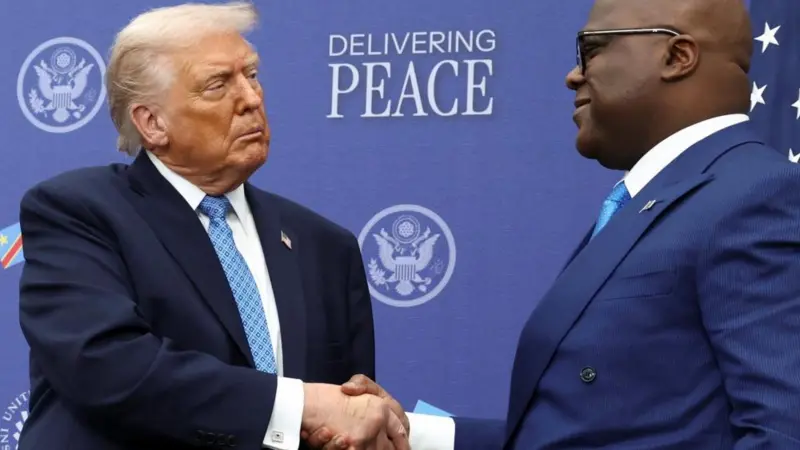
New bilateral agreements are creating preferential access for international investors, with joint steering committees and strategic asset reserves now in place to reduce entry barriers for qualified partners.
DRC copper ore grades often exceed 2.5%, more than four times the global average and significantly higher than many global mines. The country hosts some of the world's largest cobalt mines and attracted Africa's highest mineral exploration investment in recent years.
The DRC has over 80 million hectares of arable land, with less than 10% currently cultivated. Abundant water, rainfall, and climate diversity position the country to potentially feed up to two billion people. Opportunities exist in commercial farming, livestock, agro-processing, fertilisers, and irrigation.
The Congo River offers the largest hydropower potential in Africa, with approximately 42,000 MW at Inga alone. This creates major opportunities in renewable energy, power infrastructure, and energy-intensive processing to support industrial growth.
While existing operators dominate certain sectors, the DRC government is actively diversifying partnerships and welcoming new international capital, providing early movers with a rare opportunity to enter high-quality assets under new bilateral frameworks.
Located at the heart of Africa, the DRC provides access to a regional market of over 400 million people through COMESA, EAC, and SADC trade blocs. Strategic corridors such as the Lobito Corridor and Atlantic ports are being prioritised for export-oriented investments.
The DRC government has committed to allocating 10% of national revenues to agriculture and is promoting energy, infrastructure, and manufacturing. Investment incentives include tax exemptions, special economic zones, and long-term land concessions.
GDP growth has averaged approximately 5-6% annually, driven by mining, services, and exports. As a frontier market, the DRC offers higher risk-adjusted returns compared to more saturated markets.
Responsible investment in the DRC supports goals of securing critical mineral supply chains. It can improve labour standards, environmental protections, transparency, and governance, aligning with ESG and impact investment mandates.
With a population exceeding 100 million, the DRC offers a young, trainable workforce with competitive labour costs. There is strong domestic demand for food, energy, housing, and consumer goods.
International mineral partnerships are linked to regional peace and security initiatives. Infrastructure development and job creation reduce conflict risk while generating sustainable investment returns.
Partner with Active Connects to navigate the DRC investment landscape with confidence. Our team provides on-the-ground expertise and trusted networks to help you capitalise on Central Africa's most promising frontier.
Start a Conversation